
When Love Feels Distant: Finding Your Way Back to Each Other
We have been conditioned by movies and literature to believe that relationships end with a spectacular explosion, like a massive betrayal, a screaming match, or a sudden, dramatic departure. But in the clinical reality of couples therapy, relationships rarely burn down overnight.
Instead, they usually die of a slow, quiet starvation. You wake up one Tuesday and realize that the person sleeping next to you feels like a stranger. You are managing a household, paying bills, and coordinating schedules, but the emotional tether between you has gone completely slack.
This distance is terrifying, and our immediate reflex is to panic and assume the love is gone. But that kind of emotional drift is a predictable, systemic response to two nervous systems that have simply stopped intentionally attuning to one another amidst the exhaustion of daily life.
The Slow Erosion of Connection
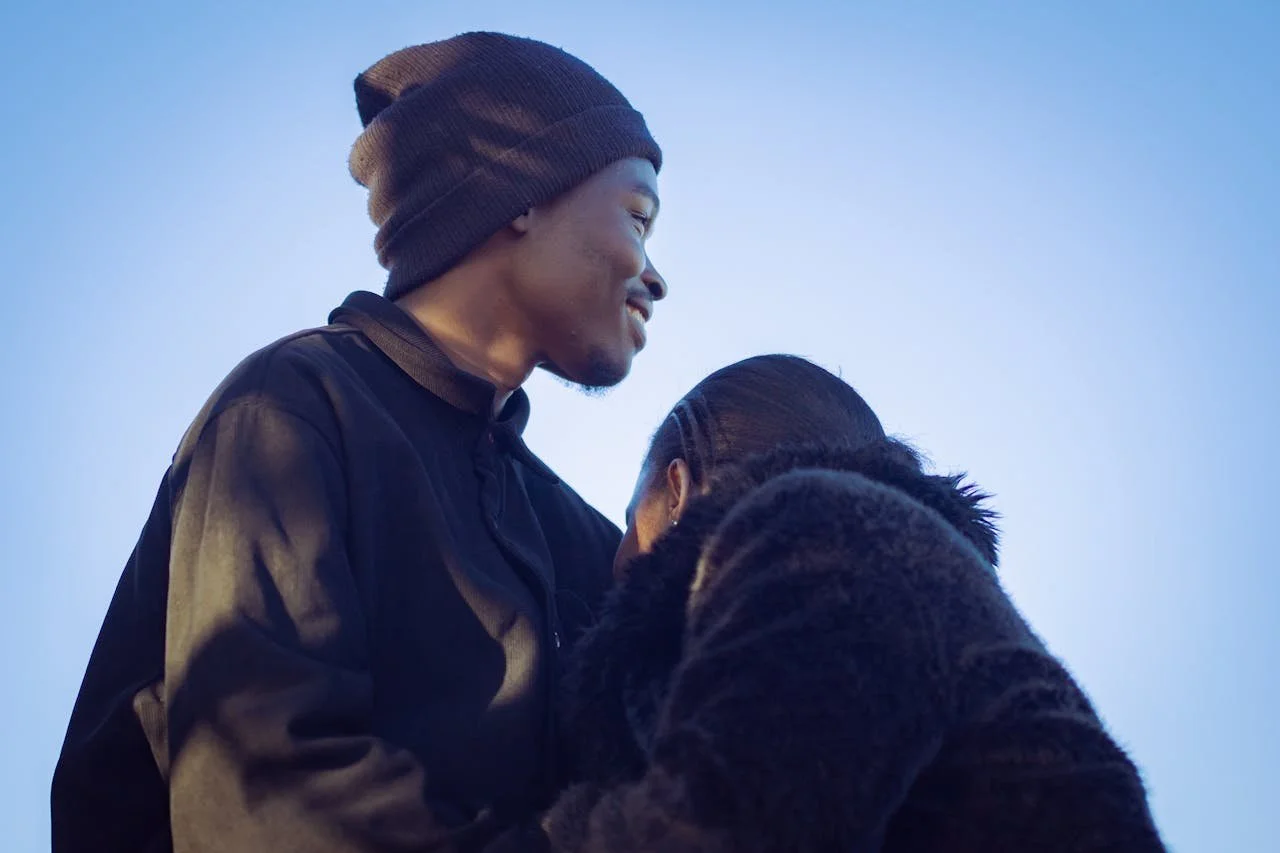
When a couple enters what many call the "roommate phase," it isn't because they decided to stop loving each other. It's almost always due to the gradual erosion of what researchers call bids for connection. A bid is any attempt to get your partner's attention, affection, or validation. When your partner sighs heavily over an email or says, "Look at this weird dog outside," those are bids, or tiny, low-stakes invitations to connect.
When we are exhausted or hyper-focused on our own to-do lists, we stop catching those bids. Over time, the nervous system registers these missed moments as micro-rejections. To protect itself from the pain of continuous minor rejection, the brain simply stops reaching out altogether, plunging the couple into profound, polite silence.
Why Grand Gestures Backfire
When couples finally recognize how far they've drifted, panic usually drives them toward a massive overcorrection. The expensive trip. The surprise dinner. The sweeping romantic declaration. But you cannot fix three hundred days of emotional starvation with a five-day luxury vacation.
The nervous system doesn't build secure attachment through grand, isolated events. It builds safety through the mundane, hyper-consistent micro-moments of daily life. A grand gesture on a fragile foundation creates pressure, not intimacy.
This is why forced date nights during periods of high distance often feel agonizingly awkward. You are putting two disconnected nervous systems across a candlelit table and demanding they instantly perform closeness. It feels inauthentic because the daily scaffolding required to support that intimacy has rotted away. The longer the distance lasts, the harder it is to reach across it, because reaching out requires you to drop your armor and admit you are lonely.
Rebuilding Through Micro-Moments
Finding your way back requires a radical recommitment to the microscopic moments of your day. That might not seem as dramatic as grand sweeping gestures, but it is the effort in everyday interactions that makes a difference.
Start actively noticing your partner's bids, and when you spot one, turn toward it. If they mention something they read, put your phone face down and give them sixty seconds of unbroken attention. That simple act signals something powerful to their nervous system: you are the most important thing in this room right now.
Research also shows that a kiss lasting at least six seconds triggers the release of oxytocin in the brain while momentarily pausing cortisol production. It is essentially a biological reset button. Doing this once a day, especially during transitions like leaving for work or returning home, fundamentally shifts the baseline warmth of the relationship.
Next Steps
Love is an active, daily practice of closing the gap. You don't have to get all the way back to each other today. You just have to be brave enough to take one small, deliberate step toward the center of the room. Sometimes, reaching out and admitting you need help is the best thing you can do, and couples counseling can be a good place to start.
If you and your partner are navigating emotional distance, reach out today to schedule a consultation.