
Understanding Infidelity and Betrayal Trauma
When a partner is unfaithful, the resulting pain goes far beyond sadness or disappointment. For many people, discovering infidelity creates a specific psychological phenomenon known as betrayal trauma. This occurs when the people we depend on for survival and emotional safety violate our trust in profound ways.
In a committed relationship, your partner serves as your primary attachment figure, or the person your brain relies on to feel safe in the world. When that person becomes the source of danger rather than security, the brain experiences what therapists call an attachment injury. The symptoms can mirror post-traumatic stress disorder, and the impact reaches deep into how you experience reality itself.
When Your Reality Shatters
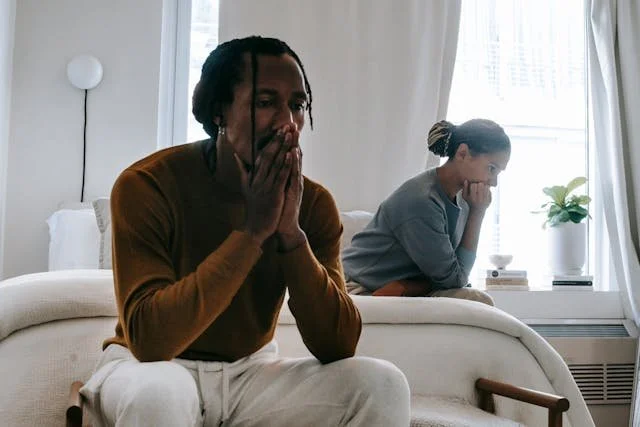
Betrayal trauma fundamentally changes how the brain processes what's real and what's safe. Because the truth of the relationship has been rewritten, the betrayed partner often experiences heightened anxiety and confusion that can feel overwhelming.
Intrusive thoughts become constant companions. Your mind compulsively replays details, searches for clues you might have missed, and reconstructs timelines obsessively. This is your brain's desperate attempt to make sense of a reality that suddenly doesn't match what you believed to be true.
Hypervigilance often follows. You might find yourself checking phones, tracking locations, or monitoring bank statements. Real life doesn't work that way in healthy relationships, but when trust has been shattered, your nervous system goes into overdrive trying to regain some sense of safety. This investigative behavior isn't about being controlling. It's a trauma response.
The emotional experience can feel like riding a rollercoaster you never chose to board. One moment brings overwhelming rage, the next profound grief, and then perhaps a desperate desire to reconnect. These rapid emotional shifts are hallmarks of the trauma response, not signs that you're handling things wrong.
More Than Just the Act Itself
People often misunderstand infidelity as being primarily about sex or physical intimacy. The deeper trauma, however, stems from the deception that surrounded it.
It isn't just the act of infidelity that creates the wound. The secondary gaslighting; those months or years of being told your gut feelings were wrong, that you were being paranoid or oversensitive, erodes your sense of self in ways that can feel impossible to repair. When your partner lies to cover their tracks, you begin doubting your own perceptions. This reality erosion often becomes the most difficult part of the trauma to heal from.
We all carry narratives about our lives and relationships. Infidelity recolors the past, making you question whether the happy memories you cherish were even real. This loss of your relationship story can feel like losing your footing in your own life.
The Journey Toward Healing
Healing from betrayal trauma requires time and the right kind of support. It moves through phases that can't be rushed, starting with establishing basic safety.
Healing cannot begin while betrayal continues or secrets remain. Radical honesty becomes the only antidote to the poison of deception. This means full transparency, not just about the affair but about daily life moving forward.
Because this is a physiological injury affecting your nervous system, traditional couples communication exercises often fail in early stages. The focus must first be on stabilizing your trauma response and helping your body feel safe again.
Whether you ultimately stay together or part ways, the old relationship is over. Healing involves grieving that loss and eventually deciding if a new relationship can be built on total transparency and renewed commitment.
Betrayal trauma cuts deep, but it isn't a life sentence. With proper support, especially from a therapist, you can move from fragmentation back toward wholeness and the ability to trust again.
If you're struggling with the aftermath of infidelity, you don't have to navigate this alone. I specialize in affair recovery counseling and understand the unique trauma that betrayal creates. Call me today to learn more about how I can help.